ECG boss says company would have collapsed without government ownership
ECG MD Ing. Julius Kpekpena says state ownership keeps the utility afloat despite its debts.

Nelson Emmanuel
May 3, 2026 • 2 min read
AI Smart Brief
Get a quick 3-point summary of this article powered by Gemini.
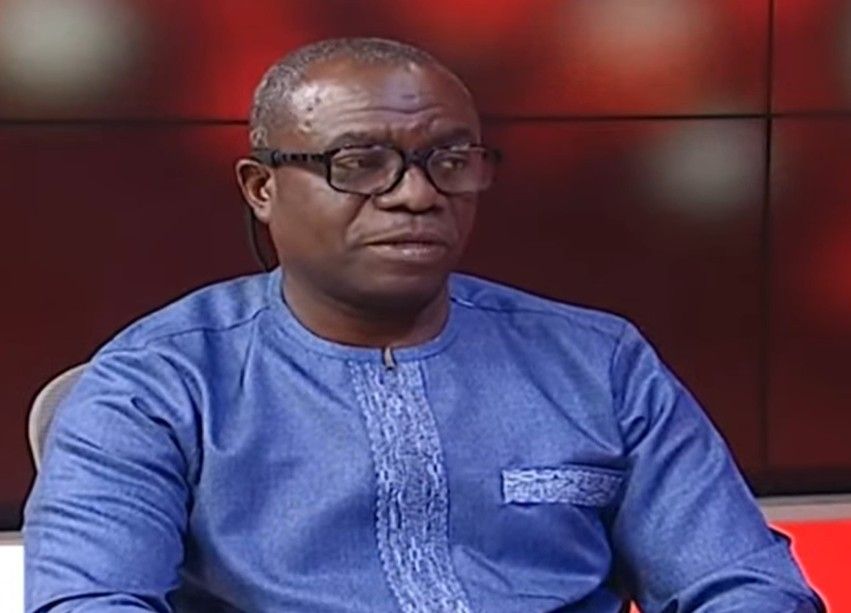
The Managing Director of the Electricity Company of Ghana (ECG), Ing. Julius Kpekpena, says the company would likely have gone bankrupt if it were not owned by the state, due to its heavy financial obligations.
Speaking on TV3’s Hot Issues on Sunday, May 3, 2026, he explained that ECG’s government ownership gives lenders confidence to continue doing business with the utility, even though its financial records may suggest otherwise.
“If ECG were not state-owned, we would have been bankrupt long ago,” he said.
He noted that while ECG has accumulated significant liabilities, banks still remain willing to lend to the company because of the guarantee that comes with government backing.
“If you take our books now, you might think we are not creditworthy because we owe a lot of people, but ECG is owned by the government, so banks still want to lend to us,” he explained.
Ing. Kpekpena added that financial institutions continue to show interest in partnering with ECG, citing a recent approach from a bank seeking to establish a business relationship.
According to him, this confidence is based on the belief that, as a state-owned entity, ECG ultimately has the backing of the Ghanaian public.
He further stated that the company’s financial situation has improved over the past year, crediting management efforts for stabilising cash flow within the energy sector.
He referenced earlier concerns raised by the Finance Minister, who described the power sector as a major risk to the economy, but said those concerns have now eased due to improved performance by ECG.
“Electricity flows from the power plants to ECG, but the money flows back. If that does not happen, it affects the entire economy,” he said.
He added that ECG’s improved cash flow management is helping to stabilise the broader energy sector and support economic stability.
Comments (0)
No comments yet. Be the first to share your thoughts!